
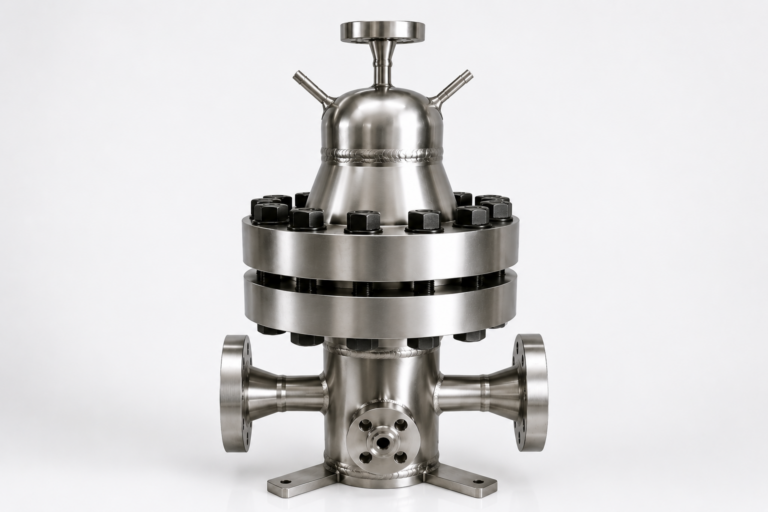
Industrial gas filtration plays a critical role in maintaining safety, product quality, and operational efficiency across chemical, pharmaceutical, water treatment, and energy industries. While many businesses understand the importance of gas filtration, selecting the right filtration system for a specific gas application can be challenging.
Two commonly used industrial gas filtration solutions are Hydrogen Gas Filters and Chlorine Gas Filter UK systems. Although both are designed to remove contaminants from gas streams, they serve different purposes and operate under different conditions.
In this guide, we’ll compare Hydrogen Gas Filters and Chlorine Gas Filter UK systems, including their design requirements, materials, applications, and safety considerations.
Why Industrial Gas Filtration Matters
Industrial gases often contain contaminants such as dust, moisture, oil particles, rust, and chemical impurities. These contaminants can:
- Damage equipment
- Reduce process efficiency
- Affect product quality
- Increase maintenance costs
- Create safety hazards
High-performance gas filtration systems help remove these unwanted particles and ensure reliable plant operations. TFI Filtration UK provides customised gas filtration solutions designed for demanding industrial environments. TFI specialises in industrial gas filtration and serves global industries with advanced filtration technologies.
What Is a Hydrogen Gas Filter?
A Hydrogen Gas Filter is designed to remove moisture, particulate matter, and contaminants from hydrogen gas streams. Hydrogen filtration is particularly important because hydrogen production often generates water and fine particles that can affect downstream equipment and system performance.
Hydrogen filters are commonly manufactured using sintered stainless steel media and are designed to withstand high-pressure operating conditions. Many industrial hydrogen filtration systems can operate at pressures exceeding 190 kg/cm² while maintaining excellent filtration efficiency.
Common Applications of Hydrogen Gas Filters
- Hydrogen production plants
- Fuel cell manufacturing
- Chemical processing
- Power generation
- Petroleum refining
- Fertiliser production
What Is a Chlorine Gas Filter UK System?
A Chlorine Gas Filter UK system is specifically designed to remove impurities from chlorine gas streams. Chlorine gas can contain contaminants such as ferric chloride, moisture, and particulate matter that may cause corrosion, equipment damage, and process inefficiencies.
Specialised chlorine gas filtration systems help maintain gas purity while protecting valves, regulators, injectors, and downstream equipment. Many chlorine gas filters utilise corrosion-resistant materials and specialised filtration media to handle the aggressive nature of chlorine gas.
Common Applications of Chlorine Gas Filter UK Systems
- Water treatment plants
- Wastewater treatment facilities
- Chemical manufacturing
- Industrial chlorination processes
- Pharmaceutical production
- Process industries using chlorine gas
Hydrogen Gas Filters vs Chlorine Gas Filter UK Systems
Purpose
- Hydrogen Gas Filters remove moisture and particles from hydrogen gas.
- Chlorine Gas Filter UK systems remove ferric chloride, moisture, and impurities from chlorine gas.
Operating Conditions
- Hydrogen filters work in high-pressure systems.
- Chlorine Gas Filter UK systems work in corrosive environments.
Filter Media
- Hydrogen filters use sintered stainless steel or glass microfiber.
- Chlorine Gas Filter UK systems use activated alumina, glass wool, and corrosion-resistant media.
Material Construction
- Hydrogen filters are made from SS304 and SS316 stainless steel.
- Chlorine Gas Filter UK systems use corrosion-resistant materials for longer life.
Applications
- Hydrogen Gas Filters are used in hydrogen plants, fuel cells, refineries, and power plants.
- Chlorine Gas Filter UK systems are used in water treatment, wastewater plants, and chemical industries.
Safety
- Hydrogen filters help keep hydrogen gas clean and safe.
- Chlorine Gas Filter UK systems help reduce risks from toxic chlorine gas.
Benefits
- Hydrogen Gas Filters improve gas purity and protect equipment.
- Chlorine Gas Filter UK systems reduce corrosion, improve performance, and maintain chlorine gas quality.
Material Selection Differences
Hydrogen Gas Filters
Hydrogen filtration systems typically use:
- SS304 and SS316 stainless steel
- Sintered metal filter cartridges
- High-pressure welded housings
- Passivated surfaces for enhanced durability
Chlorine Gas Filter UK Systems
Because chlorine is highly corrosive, filtration systems often use:
- SS316 stainless steel
- Monel components
- Corrosion-resistant coatings
- Specialised filtration media
Why Choose TFI Filtration UK?
TFI Filtration UK provides advanced industrial gas filtration solutions for global industries. Our expertise includes:
- Chlorine Gas Filter UK systems
- Hydrogen Gas Filters
- Industrial Gas Filters
- High-pressure filtration systems
- Corrosion-resistant filtration technology
We help industries improve safety, efficiency, and equipment protection through innovative filtration solutions.
Conclusion
Both Hydrogen Gas Filters and Chlorine Gas Filter UK systems are essential for modern industrial operations, but they serve very different purposes. Hydrogen filters focus on high-pressure gas purification, while chlorine gas filters are specifically engineered to handle corrosive chlorine environments and maintain gas purity.
Choosing the right filtration system depends on your process requirements, operating conditions, and safety objectives. With the right filtration partner, you can improve reliability, reduce maintenance costs, and enhance operational performance.
Get Expert Gas Filtration Solutions
Looking for a reliable Chlorine Gas Filter UK or Hydrogen Gas Filter UK System? Contact TFI Filtration UK today for customised industrial filtration solutions designed for your application.